
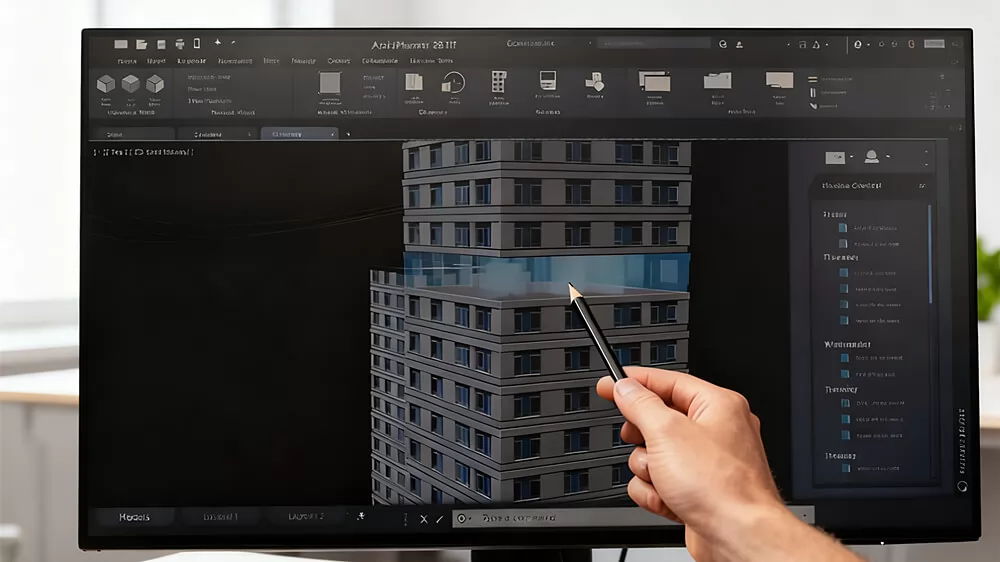
Traditional wood and concrete buildings typically last between 20 and 60 years, depending on maintenance and environmental conditions. In comparison, prefabricated and cold-formed steel buildings are designed for superior durability and can often exceed 50 years with proper corrosion protection and routine maintenance. Whether you require an industrial warehouse, manufacturing plant, agricultural facility, residential building, or other commercial structure, cold-formed steel construction offers flexible and long-lasting solutions.
In this article, we will examine how long prefabricated steel buildings last, their typical lifespan, and the key strategies that help extend the service life of these durable steel structures.
The average lifespan of prefabricated steel buildings generally ranges from 40 to 70 years, depending on structural design, steel quality, environmental exposure, corrosion protection systems, and maintenance practices. Modern engineering standards and protective technologies allow many steel structures to exceed their expected service life when properly maintained.
Different types of prefabricated steel buildings are designed for varying load requirements, usage conditions, and durability expectations. The table below outlines the typical lifespan of common prefabricated steel building categories based on industry standards and practical project performance.
| Steel Building Type | Typical Applications | Average Lifespan | Key Durability Factors |
|---|---|---|---|
| Cold-Formed Steel Buildings | Residential housing, light commercial buildings, storage units | 40 – 60 Years | Lightweight structure, protective coating quality, climate exposure |
| Pre-Engineered Steel Buildings (PEB) | Warehouses, factories, logistics centers, workshops | 50 – 70 Years | Precision engineering, galvanization, regular maintenance |
| Heavy Structural Steel Buildings | High-rise buildings, industrial plants, large-span structures | 70 – 100+ Years | High-strength steel, fire protection, advanced structural design |
| Agricultural Steel Buildings | Barns, livestock facilities, equipment storage, grain storage | 40 – 60 Years | Moisture control, ventilation systems, corrosion resistance |
| Modular Steel Buildings | Temporary or relocatable offices, classrooms, medical facilities | 30 – 50 Years | Transportation stress, assembly quality, structural adaptability |
Cold-formed steel buildings are widely used for residential and light commercial projects. Their lifespan mainly depends on steel thickness and galvanization quality. Structures using higher zinc coatings (such as G90) and protective paint systems typically last 40 to 60 years.
Pre-engineered steel buildings (PEB) are commonly applied in industrial and commercial facilities. Their durability is influenced by structural steel grade, corrosion protection methods like hot-dip galvanizing, and precision-engineered connections. Properly protected PEB structures usually achieve 50 to 70 years of service life.
Heavy structural steel buildings are designed for large infrastructure and high-load projects. Using thicker high-strength steel, fireproof coatings, and advanced welding technologies, these structures often reach 70 to 100+ years of lifespan.
Agricultural steel buildings face moisture and chemical exposure, making galvanized or aluminum-zinc coatings and proper ventilation critical. With effective corrosion control, these buildings generally last 40 to 60 years.
Modular steel buildings are designed for relocation and flexible use. Their lifespan depends on connection strength and corrosion protection, typically ranging from 30 to 50 years.
Overall, the lifespan of prefabricated steel buildings is primarily determined by steel quality, protective coatings, structural design, and environmental conditions.
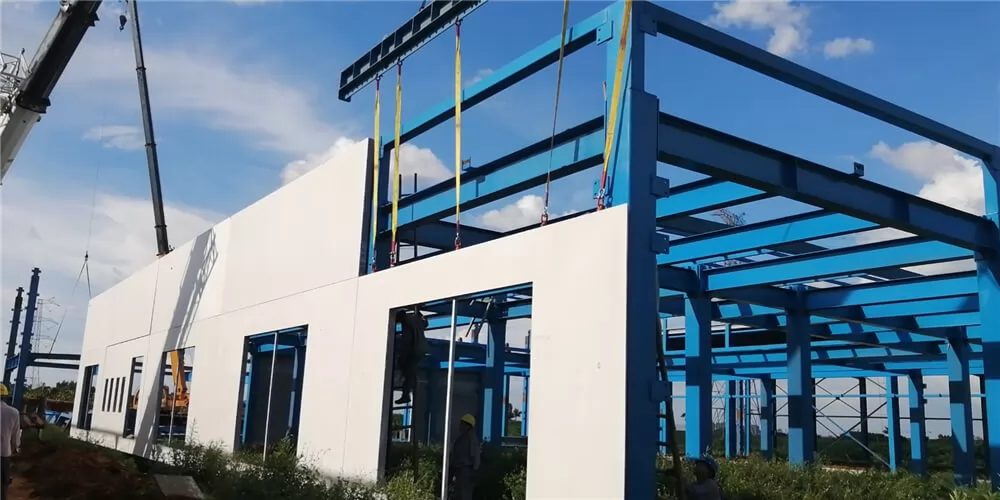
The lifespan of prefabricated steel buildings depends on multiple engineering and environmental factors. Proper management of these factors can extend service life well beyond 50 years.
High-strength structural steels, such as ASTM A36 (minimum yield strength 250 MPa) or A572 Grade 50 (minimum yield 345 MPa), provide improved load-bearing capacity and fatigue resistance. Buildings designed with thicker steel sections (≥3–6 mm for cold-formed steel, ≥8–12 mm for heavy structural members) and optimized load distribution typically see an increase in lifespan by 10–20 years compared to lighter designs.
Corrosion is a major factor in steel degradation. Hot-dip galvanization with zinc coatings of G60 (≈0.6 oz/ft²) to G90 (≈0.9 oz/ft²) can extend structural life by 15–25 years. Additional epoxy primers or polyurethane topcoats can further protect steel in humid or coastal environments, potentially increasing total service life to 50–70 years.
Buildings in coastal areas may experience corrosion rates 2–3 times higher than inland structures. Snow loads above 1.5 kPa or wind speeds exceeding 35 m/s require reinforced designs to prevent premature fatigue. Temperature fluctuations between -20°C and 50°C can cause expansion/contraction stress; well-designed climate-adapted structures can extend lifespan by 5–10 years.
Proper welding techniques (submerged arc welding or MIG with ultrasonic testing) and high-quality bolted connections (using Grade 8.8 or higher fasteners) reduce stress concentration and structural fatigue. Poor-quality connections can reduce expected lifespan by 15–20 years.
Regular maintenance significantly affects service life. Annual inspections, rust removal, drainage management, and touch-up of protective coatings can extend building lifespan by 10–15 years. Neglecting maintenance can reduce the effective lifespan by 20–30%.
Prefabricated steel buildings are increasingly preferred due to their long service life and low maintenance requirements. The table below compares steel, wood, concrete, and masonry buildings across key performance factors, helping investors, engineers, and project planners make informed decisions.
| Material | Typical Applications | Average Lifespan | Cost Considerations |
|---|---|---|---|
| Steel (Cold-Formed / PEB / Heavy) | Residential, industrial, commercial, warehouses, large-span facilities | 40 – 100+ Years | Moderate to High – initial cost higher than wood, but lower lifecycle cost due to durability |
| Wood | Residential, small commercial buildings | 20 – 40 Years | Low – cheaper upfront, but higher long-term maintenance costs |
| Concrete (Reinforced) | Residential, commercial, bridges, high-rise | 40 – 80 Years | Moderate – higher initial material and labor costs, moderate maintenance |
| Brick / Masonry | Residential, low-rise commercial | 50 – 100 Years | Moderate – moderate initial cost, moderate long-term maintenance |
Steel Buildings: Prefabricated steel structures offer the longest overall lifespan, especially when using high-strength steel (ASTM A36/A572), hot-dip galvanization, and protective coatings. They resist pests, fire, and structural fatigue, and with minimal maintenance can last 50–100+ years. The initial cost is higher, but the lifecycle cost is often the lowest due to durability.
Wood Buildings: Wood is economical and easy to construct, but it is highly sensitive to moisture, pests, and rot. Regular treatments and inspections are essential. Its service life rarely exceeds 40 years under normal conditions, making it less suitable for long-term industrial or commercial projects.
Concrete Buildings: Reinforced concrete provides excellent structural stability and fire resistance. Lifespan ranges from 40–80 years, but durability can be compromised by corrosion of embedded steel rebar in marine or high-humidity environments. Maintenance focuses on crack repair, sealing, and reinforcement protection.
Brick / Masonry Buildings: Masonry offers long service life (50–100 years) and fire resistance. However, mortar degradation and freeze-thaw cycles require periodic maintenance. Masonry is strong in compression but less flexible than steel in seismic or high-wind conditions.
Conclusion: Prefabricated steel buildings outperform wood, concrete, and masonry in terms of lifespan, environmental resistance, and low maintenance. Proper material selection, corrosion protection, and engineering design make steel structures a reliable and cost-effective solution for long-term industrial, commercial, and residential projects.
Extending the service life of prefabricated steel structures hinges on corrosion control, joint design, stress relief, and full-lifecycle maintenance. Key measures include:
The lifespan depends on the type of steel building. Cold-formed steel buildings typically last 40–60 years, pre-engineered steel buildings 50–70 years, and heavy structural steel buildings can exceed 100 years when properly maintained.
Key factors include steel quality (grade and thickness), corrosion protection (galvanization, epoxy or polyurethane coatings), structural design, construction quality (welding and bolted connections), environmental exposure, and regular maintenance.
Steel buildings typically outlast wood (20–40 years) and match or exceed the lifespan of concrete (40–80 years) and brick/masonry (50–100 years). Steel also offers better environmental resistance and lower maintenance requirements.
Regular inspection and maintenance are essential: repair protective coatings, prevent rust, manage drainage, and check structural connections. Using high-quality steel and corrosion-resistant coatings during construction also significantly increases durability.
Yes. Coastal areas, high humidity, chemical exposure, heavy snow, and temperature fluctuations can accelerate corrosion and stress. Proper coatings, climate-adapted design, and routine maintenance help mitigate these effects.
Heavy structural steel buildings designed for industrial or large infrastructure projects have the longest lifespan, often exceeding 70–100 years. Pre-engineered steel buildings last 50–70 years, and cold-formed steel buildings last 40–60 years.
The lifespan of prefabricated steel buildings is no longer a concern — these durable structures are built to last. When choosing the right building for your project, our team provides expert guidance and full support, ensuring your solution meets both your needs and long-term expectations.
Your Name*
Your Email*
*We respect your confidentiality and all information are protected.

Steel-framed buildings often have a lifespan exceeding 50 years. In this article, we will discuss the lifespan of prefabricated steel structures.

In this guide, we’ll walk through how to calculate prefabricated building costs from China, highlight the main cost drivers, and uncover additional expenses such as logistics, customization, and engineering services.

This article highlights the Top 10 Classic Examples of Prefabricated Buildings in China, spanning residential, commercial, educational, and emergency healthcare facilities.
